



Dupe Fragrances
By The Fire Fragrance Oil
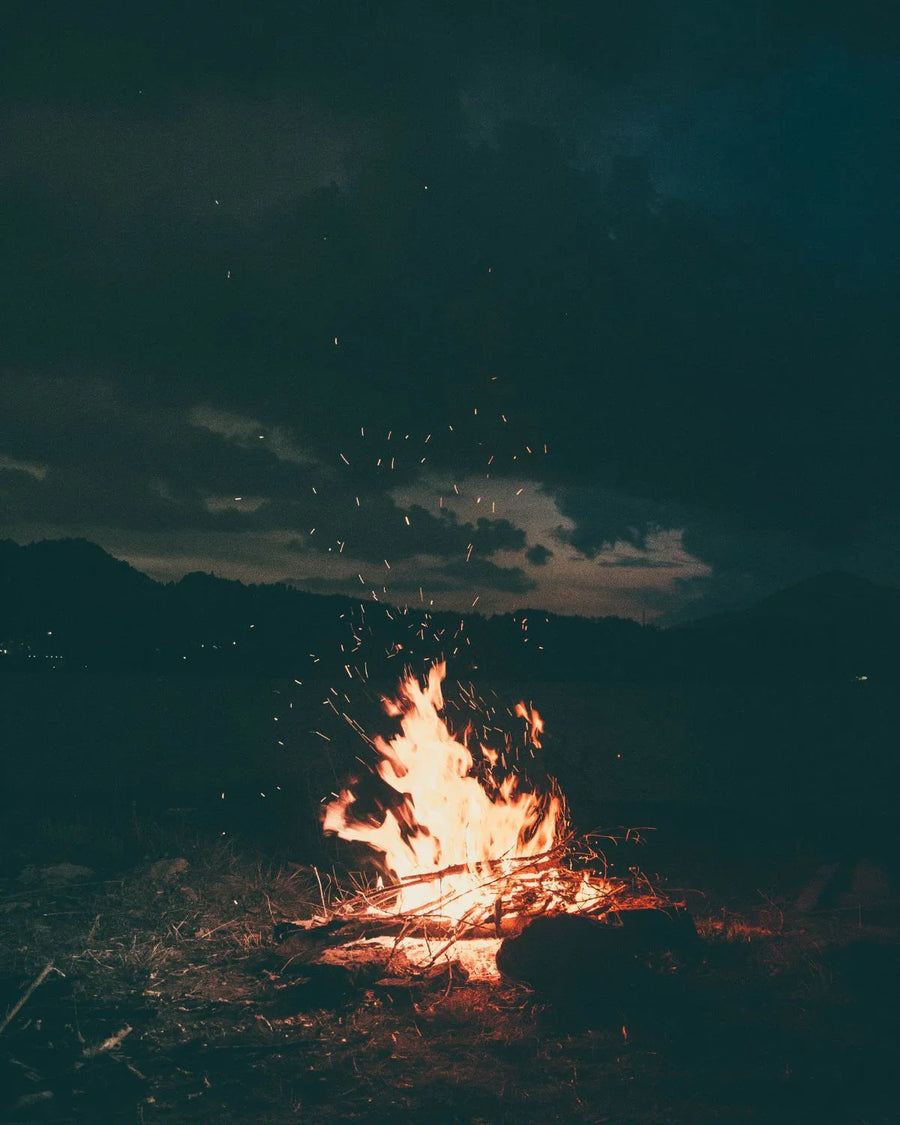
Cedarwood, cloves and sandalwood around a winter campfire.
Made in Australia
IFRA Compliant
Imagine those cool Autumn/Winter nights sitting around the camp fire catching up with friends. Let the rich aromas of cedar wood bark, cloves and sandalwood fill the air.
Scent notes
- Top
- Thyme, Fir Needle
- Mid
- Cloves, Oakmoss
- Base
- Cedarwood Bark, Sandalwood
where it's made
Shipped from the Sunshine Coast, QLD. All Wickii fragrances are 100% concentrated and made exclusively for Wickii, sourced from perfume houses across Australia. We test every fragrance in finished products before it hits the shelf.
usage & specs
Usage rates by application
| Candle / Wax | |
| Reed diffuser | |
| Room & linen spray | |
| Soap & bath | |
| Perfume | |
| Flash point | |
| Ethyl vanillin | |
| Vanillin content |
Usage amounts are recommendations only. Individual usage amounts can vary based on your desired fragrance strength, wax type, soap base, or lotion base. See IFRA certificate for all applications and max usage levels.
IFRA Certificate
Compliance certificate — click to download
Safety Data Sheet (SDS)
Handling, storage and hazard info — click to download


